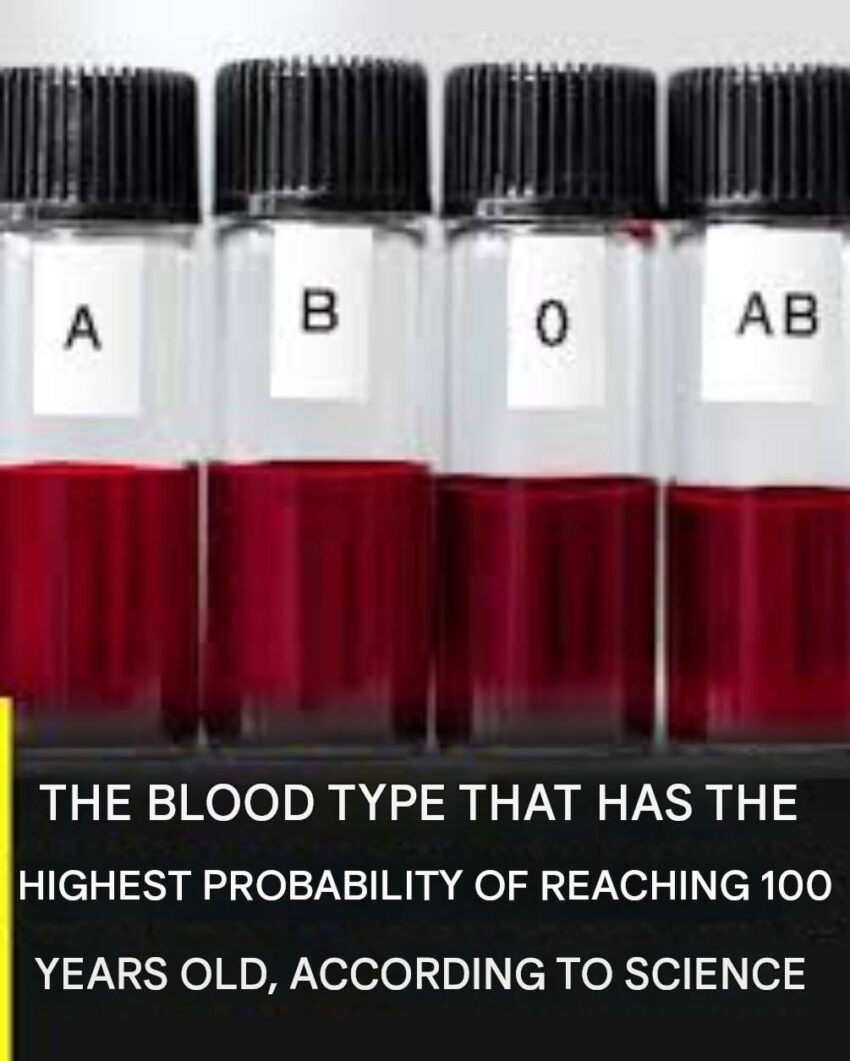
Blood type is something we inherit from our parents, and it remains unchanged throughout life. Although it is best known for its importance in blood transfusions and pregnancy care, researchers have also investigated whether ABO blood type is associated with certain health conditions and, potentially, longevity.
The findings are interesting—but they do not support the idea that one blood type guarantees a longer life or makes someone more likely to reach 100.
Does Blood Type Affect Your Health?
The four main ABO blood groups are:
- A
- B
- AB
- O
Researchers have found associations between blood type and some health outcomes. In particular, people with blood types other than O have, on average, somewhat different levels of certain blood-clotting proteins compared with people who have type O.
These differences may contribute to variations in the risk of conditions such as venous blood clots and some cardiovascular problems.
However, an association does not mean that blood type directly causes a disease—or determines how long a person will live.
What About Type O Blood?
Type O is sometimes described online as a “longevity blood type.” This is an oversimplification.
Some research has found that people with type O blood tend to have a lower risk of certain clotting-related conditions than people with non-O blood types. At the same time, blood type O has been associated with higher risk for some other conditions, including certain bleeding-related problems.
In other words, there isn’t a universally healthiest blood type.
A lower risk of one condition does not automatically translate into a longer overall lifespan.
Could Blood Type Influence Longevity?
Scientists have studied blood type among older adults and people who reach exceptional ages. Some studies have reported differences in the distribution of ABO blood groups among particular populations of long-lived individuals.
But these findings need to be interpreted carefully.
People who live to 90, 100, or beyond are influenced by many factors, including:
- Genetics
- Physical activity
- Diet
- Smoking history
- Blood pressure
- Cholesterol
- Chronic diseases
- Healthcare access
- Environment
- Social connections
- Socioeconomic circumstances
Therefore, blood type alone cannot be used to predict whether someone will become a centenarian.
Why Researchers Are Interested in Blood Type
The connection is biologically interesting because ABO blood-group molecules occur on the surface of red blood cells and other cells and can influence biological processes.
Differences related to ABO type have been investigated in areas including:
Blood Clotting
Non-O blood groups tend to have higher levels of certain clotting factors. This may partly explain their association with a greater risk of some venous thromboembolic events.
Cardiovascular Health
Researchers have investigated associations between ABO type and coronary heart disease and other cardiovascular outcomes. The differences observed at the population level are generally much smaller than the effects of major risk factors such as smoking, hypertension, and high cholesterol.
Other Diseases
Scientists have also examined possible relationships between blood type and infections and certain cancers. Results differ depending on the disease and population studied.
This is why it would be misleading to label one blood group as simply “good” or “bad.”
Your Blood Type Is Not a Life-Expectancy Test
Knowing your blood type does not allow a doctor to calculate how many years you have left to live.
Two people can have exactly the same blood type but have dramatically different health outcomes because of differences in genetics, lifestyle, medical conditions, and environment.
For example, someone with a blood type associated with a slightly lower risk of one condition could still have substantial cardiovascular risk because of smoking or uncontrolled high blood pressure.
What Actually Supports Healthy Aging?
Instead of looking for a special blood type, focus on factors that have a much more meaningful impact on health.
1. Don’t Smoke
Avoiding tobacco is one of the most important things you can do for long-term health.
2. Stay Physically Active
Regular movement helps maintain cardiovascular fitness, muscle strength, balance, and independence as you age.
Walking, swimming, cycling, dancing, and strength exercises can all be useful depending on your abilities and medical situation.
3. Eat a Nutritious Diet
Build meals around a variety of vegetables, fruits, whole grains, legumes, nuts, and other nutrient-dense foods.
Rather than relying on a single “superfood,” consistency and overall dietary quality matter more.
4. Keep Blood Pressure Under Control
High blood pressure can damage blood vessels over time while increasing the risk of heart disease and stroke.
Regular monitoring and appropriate treatment can make a major difference.
5. Pay Attention to Cholesterol and Blood Sugar
High cholesterol and diabetes can increase cardiovascular risk. Screening and treatment when appropriate can help reduce complications.
6. Maintain Healthy Relationships
Social connection and meaningful relationships are important parts of healthy aging. Staying involved with family, friends, community groups, or hobbies can support emotional well-being.
7. Get Preventive Healthcare
Regular healthcare visits allow problems to be detected and addressed before they become more serious.
Recommended screenings vary according to age, sex, family history, and individual risk factors.
Can You Change Your Blood Type?
Under normal circumstances, no. Your ABO blood type is genetically determined.
There is no food, supplement, tea, exercise routine, or “detox” that can safely change your blood type.
This is another reason to be skeptical of online claims that promise to use blood-type diets or supplements to dramatically extend lifespan.
What Should You Take Away From the Research?
The science suggests that blood type may be associated with certain differences in disease risk, particularly involving blood clotting and cardiovascular health.
But that is very different from saying:
“This blood type makes you live longer.”
A statistical association observed in a large population does not determine what will happen to an individual.
The Bottom Line
Your blood type may influence certain health risks, but it does not determine your lifespan.
If you have type O, A, B, or AB blood, there is no reason to assume that your blood type has predetermined your chances of reaching 100.
The more useful longevity strategy is to concentrate on the factors you can influence: don’t smoke, stay active, eat well, manage blood pressure and cholesterol, get appropriate medical care, sleep adequately, and maintain meaningful social connections.
Blood type is part of your biology—but it is certainly not the whole story of how you age.