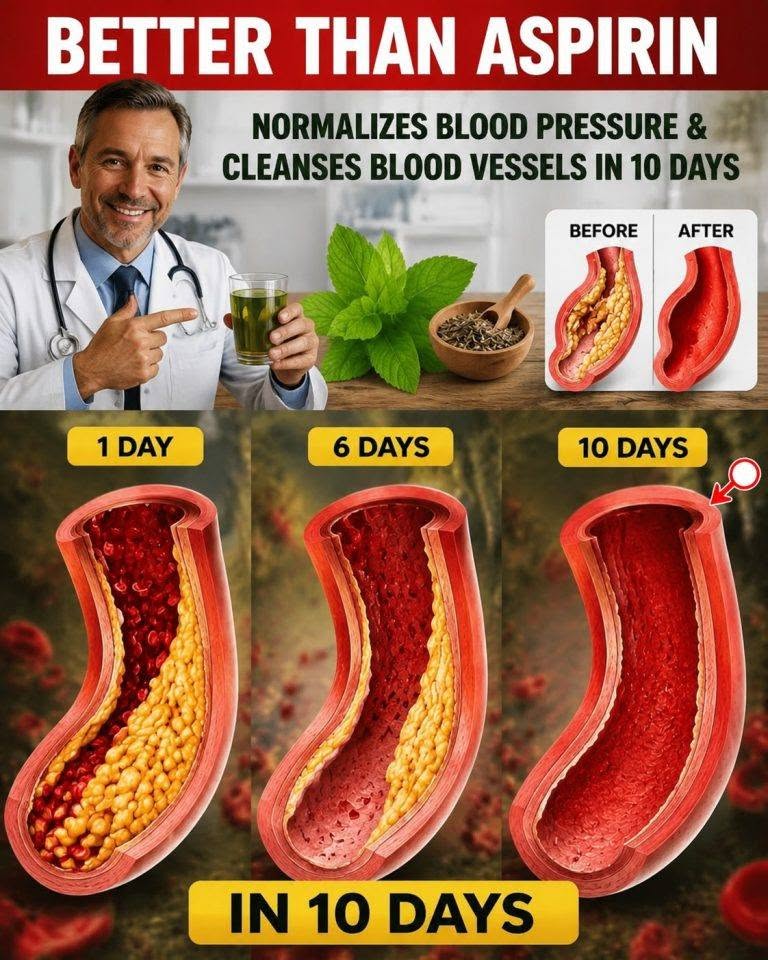
When it comes to heart health, many people look for a single food that can “clean out” clogged arteries or quickly lower blood pressure. Unfortunately, there is no miracle food that can dissolve established arterial plaque overnight.
The good news is that what you eat regularly can make a meaningful difference to cardiovascular health. A heart-healthy eating pattern can help manage blood pressure, cholesterol, body weight, and other risk factors associated with heart disease. The American Heart Association’s 2026 dietary guidance emphasizes vegetables, fruits, whole grains, healthy protein sources, unsaturated fats, and minimally processed foods while recommending less sodium, added sugar, and saturated fat.
So rather than searching for one magical ingredient, let’s look at foods that can become part of a heart-friendly diet.
1. Leafy Green Vegetables
Spinach, kale, cabbage, collard greens, and other leafy vegetables are rich in fiber and nutrients such as potassium and magnesium.
These vegetables fit naturally into the DASH eating pattern, which is designed to support healthy blood pressure.
Easy idea: Add spinach to eggs, soups, curries, sandwiches, or smoothies.
2. Oats and Other Whole Grains
Whole grains such as oatmeal, brown rice, barley, and whole-grain bread provide fiber and other nutrients.
Replacing some refined grains with whole grains is part of current heart-healthy dietary guidance.
A bowl of plain oatmeal topped with berries and a small handful of nuts can make a simple, filling breakfast.
3. Fatty Fish
Salmon, trout, sardines, and other fatty fish provide omega-3 fatty acids and are recommended as heart-healthy protein choices.
Try baking or grilling fish rather than deep-frying it.
Simple meal: Baked salmon with roasted vegetables and brown rice makes an easy heart-conscious dinner.
4. Beans and Lentils
Beans, chickpeas, peas, and lentils are excellent sources of plant-based protein and fiber.
The American Heart Association’s current guidance specifically emphasizes plant-based protein sources such as legumes, along with nuts and seeds.
They are also versatile and inexpensive.
Add lentils to soups, use chickpeas in salads, or replace some meat in chili with beans.
5. Nuts and Seeds
Almonds, walnuts, pistachios, chia seeds, flaxseeds, and other nuts and seeds can provide unsaturated fats, fiber, and other nutrients.
Choose mostly unsalted varieties to avoid unnecessary sodium.
A small handful makes a convenient snack, or you can sprinkle seeds over oatmeal, yogurt, or salads.
6. Berries and Other Fruits
Strawberries, blueberries, oranges, apples, pears, and other fruits provide fiber and a wide range of vitamins and plant compounds.
Rather than relying on fruit juice, choose whole fruit more often. Whole fruit provides fiber and is generally more filling.
Try adding berries to oatmeal or yogurt, or keep an apple nearby for an easy snack.
7. Avocado and Other Sources of Unsaturated Fat
Avocados contain mostly unsaturated fats along with fiber and other nutrients.
More broadly, heart-health guidance recommends choosing unsaturated fats in place of saturated fats.
Use avocado in salads or on whole-grain toast, and consider using liquid plant oils instead of butter or other solid fats when appropriate.
8. Tomatoes and Other Colorful Vegetables
Tomatoes, peppers, carrots, broccoli, and other colorful vegetables make it easier to increase your intake of nutrient-rich plant foods.
Try to eat a variety rather than focusing on one “superfood.” The current American Heart Association guidance recommends eating a wide variety of vegetables and fruits.
9. Plain Low-Fat Yogurt
Low-fat or fat-free yogurt can provide protein and calcium and fits within the DASH eating pattern.
Choose varieties with little or no added sugar when possible.
Top plain yogurt with berries, oats, and a few unsalted nuts for a nutritious breakfast or snack.
What About Garlic?
Garlic is often promoted online as a food that can “clean arteries.” While garlic can certainly be part of a healthy diet and is an excellent way to add flavor without relying heavily on salt, it shouldn’t be considered a treatment for arterial plaque.
Use it generously as a seasoning in vegetables, beans, fish, soups, and whole-grain dishes—but don’t expect garlic alone to reverse blocked arteries.
Don’t Forget About Sodium
For people concerned about blood pressure, reducing sodium can be particularly important.
The DASH eating plan recommends no more than 2,300 mg of sodium per day, with 1,500 mg lowering blood pressure even further for many people.
A surprising amount of sodium comes from packaged and prepared foods rather than the salt shaker.
Look for lower-sodium versions of:
- Canned soups
- Processed meats
- Sauces and condiments
- Packaged snacks
- Instant noodles
- Prepared frozen meals
Use herbs, spices, garlic, lemon, and vinegar to add flavor without relying entirely on salt.
Is Food Better Than Aspirin?
This is where it’s important to separate nutrition from medication.
Food and aspirin do not do the same job. Aspirin is a medication that affects blood clotting and is prescribed for certain people at cardiovascular risk or with established cardiovascular disease. It is not appropriate for everyone and can cause serious bleeding.
A heart-healthy diet should therefore not be viewed as a replacement for prescribed aspirin or other heart medications.
If your doctor has prescribed aspirin, cholesterol medication, blood-pressure medication, or another treatment, don’t stop taking it because you’ve started eating healthier.
Can Food Actually Unclog Arteries?
Not in the simple way social-media headlines often suggest.
A healthy eating pattern can help address important cardiovascular risk factors, including high blood pressure and unhealthy cholesterol levels. The DASH diet, for example, has been shown to lower blood pressure and improve cholesterol measures.
But established atherosclerotic plaque isn’t something you should try to “flush out” with a particular food, drink, or supplement.
If you have known coronary artery disease or symptoms suggesting heart disease, you need appropriate medical evaluation and treatment.
Build a Heart-Healthy Plate
Instead of concentrating on one miracle food, try building meals around a simple formula:
½ plate: vegetables and/or fruit
¼ plate: whole grains or another high-fiber carbohydrate
¼ plate: healthy protein such as fish, beans, lentils, poultry, or tofu
Add a modest amount of an unsaturated fat such as olive or another non-tropical vegetable oil.
This approach is consistent with the principles of DASH and current American Heart Association dietary guidance.
Don’t Ignore the Other Pieces of Heart Health
Food is only one part of cardiovascular health.
Regular physical activity, maintaining a healthy weight, not smoking, getting adequate sleep, and controlling blood pressure and cholesterol are also important.
If you have high blood pressure, don’t assume you can manage it through diet alone. Your healthcare professional can determine whether lifestyle changes, medication, or both are appropriate.
Final Thoughts
There is no single food that can magically clear clogged arteries or replace heart medication. But a consistent diet rich in vegetables, fruits, whole grains, beans, lentils, nuts, seeds, fish, and healthy unsaturated fats can support cardiovascular health and healthy blood pressure.
The goal isn’t to find a miracle ingredient.
It’s to make heart-healthy choices repeatedly, meal after meal, day after day.
And if you have diagnosed heart disease, high blood pressure, high cholesterol, or have been prescribed medication, combine healthy eating with appropriate medical care rather than replacing one with the other.