Discover heart-healthy foods that may support healthy blood pressure, cholesterol levels, and overall cardiovascular health—and why food should never replace prescribed heart medication.
Heart health is influenced by many things, including genetics, physical activity, sleep, stress, smoking, blood pressure, cholesterol, and—perhaps most importantly—what we regularly eat.
That’s why certain foods have received so much attention for their potential cardiovascular benefits.
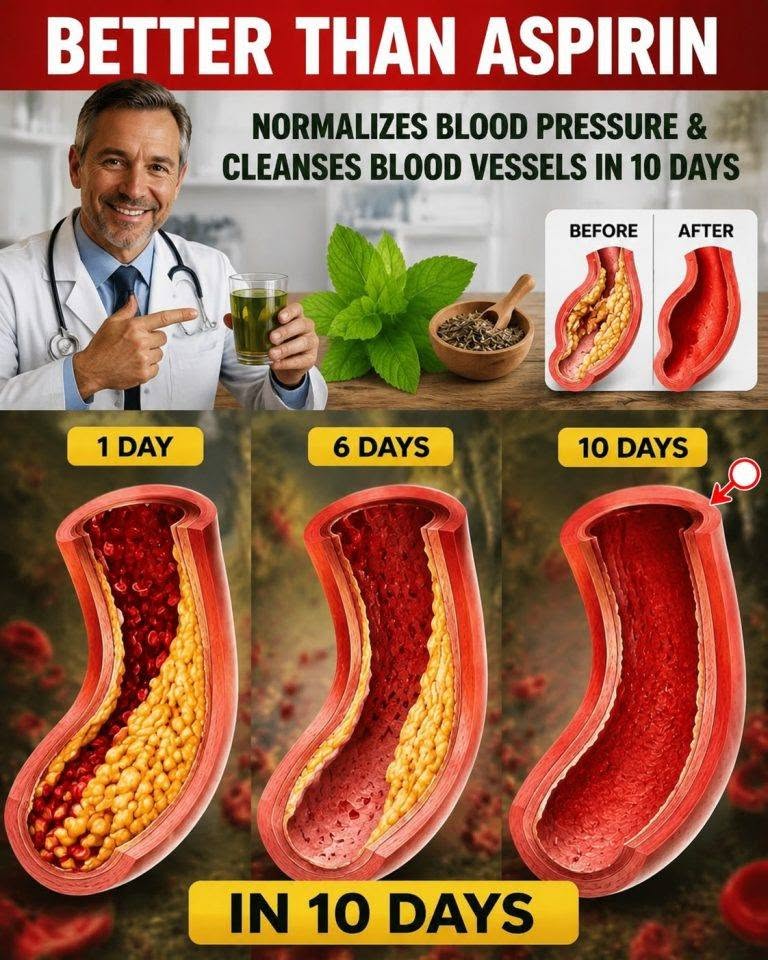
You may have seen dramatic claims online suggesting that particular foods can “clean clogged arteries” or work “better than aspirin.” But the truth is more nuanced.
No food can physically scrub plaque out of an artery overnight, and foods should never be used as a substitute for aspirin or other medications prescribed by a healthcare professional.
However, a heart-friendly eating pattern can play an important role in supporting healthy cholesterol, blood pressure, blood vessels, and overall cardiovascular health.
What Actually Causes “Clogged Arteries”?
The medical term often used for the buildup of fatty deposits inside arteries is atherosclerosis.
Over time, cholesterol, fats, inflammatory cells, and other substances can accumulate within artery walls and form plaque.
As plaque develops, arteries can become narrower and less flexible.
This process can increase the risk of serious cardiovascular problems, including heart attack and stroke.
The good news is that lifestyle choices can influence several of the risk factors associated with cardiovascular disease.
Diet is one important part of that picture.
1. Oats and Other Whole Grains
Oats are a simple breakfast food with an impressive nutritional profile.
They contain a type of soluble fiber called beta-glucan, which can help support healthy cholesterol levels when consumed regularly as part of an overall healthy diet.
Other whole grains, such as barley and whole-grain breads and cereals, can also contribute fiber and other nutrients.
Try starting the day with:
- Oatmeal topped with berries
- Plain oats with nuts and seeds
- Barley porridge
- Whole-grain toast with a protein-rich topping
The key is choosing whole grains more often than highly refined grain products.
2. Fatty Fish
Salmon, sardines, mackerel, and other oily fish provide omega-3 fatty acids.
Omega-3 fats have been extensively studied for their role in cardiovascular health.
Including fish as part of a balanced eating pattern can be a useful alternative to regularly eating processed or fatty meats.
A practical goal for many adults is to include fish regularly, following local dietary guidance and choosing lower-mercury options when appropriate.
3. Berries
Strawberries, blueberries, raspberries, and other berries provide fiber and a variety of plant compounds.
They can be an easy way to add more fruit to your diet without relying on heavily processed desserts.
Try adding berries to:
- Oatmeal
- Plain yogurt
- Smoothies
- Homemade fruit bowls
Whole fruit is generally preferable to fruit drinks because it retains its fiber.
4. Leafy Green Vegetables
Spinach, kale, lettuce, and other leafy greens are packed with vitamins, minerals, fiber, and plant compounds.
Many vegetables are naturally low in calories while providing substantial nutritional value.
Increasing vegetable intake can also make it easier to build meals around nutrient-dense foods rather than foods high in saturated fat, refined carbohydrates, and excess sodium.
5. Nuts and Seeds
Almonds, walnuts, pistachios, chia seeds, and flaxseeds can provide unsaturated fats, fiber, and other nutrients.
Walnuts and some seeds are particularly interesting because they provide plant-based omega-3 fatty acids.
Because nuts are calorie-dense, portion size still matters.
A small handful can be enough to add nutritional value without turning a healthy snack into a very high-calorie one.
Choose unsalted nuts when possible.
6. Beans and Lentils
Beans, chickpeas, peas, and lentils are excellent sources of plant protein and fiber.
They can be particularly useful when replacing some meals that would otherwise contain processed or high-fat meats.
Fiber-rich legumes can support healthy cholesterol levels and help create a more satisfying meal.
Try adding lentils to soups, chickpeas to salads, or beans to vegetable-based dishes.
7. Extra-Virgin Olive Oil
Olive oil is a major component of Mediterranean-style eating patterns.
It contains predominantly monounsaturated fat and various plant compounds.
Replacing butter or other sources of saturated fat with unsaturated fats can be beneficial for cardiovascular health.
The important point is replacement, rather than simply adding more oil to an already calorie-heavy diet.
8. Avocados
Avocados provide monounsaturated fats along with fiber and other nutrients.
They can be used instead of butter or highly processed spreads.
Try adding avocado to whole-grain toast, salads, sandwiches, or grain bowls.
9. Tomatoes
Tomatoes provide nutrients and plant compounds, including lycopene.
Fresh tomatoes can easily become part of a heart-friendly eating pattern through salads, soups, sauces, and vegetable dishes.
Eating a variety of colorful vegetables is generally more useful than focusing on one “miracle” food.
10. Garlic
Garlic has long been studied for its potential cardiovascular effects.
Some research suggests that garlic preparations may have modest effects on blood pressure or cholesterol in certain circumstances.
However, garlic should not be viewed as a treatment for clogged arteries, and eating garlic does not replace prescribed cardiovascular medication.
Fresh garlic can still be a flavorful way to reduce reliance on excessive salt when preparing meals.
What About Aspirin?
This is where online health claims can become misleading.
Aspirin affects platelets, which are involved in blood clotting. In certain people with established cardiovascular disease, doctors may prescribe aspirin to reduce the risk of another cardiovascular event.
But aspirin isn’t appropriate for everyone.
It can increase the risk of bleeding and can interact with other medications and medical conditions.
For people who have not had cardiovascular events, taking aspirin routinely for prevention is not automatically beneficial and should be discussed with a healthcare professional.
Food Is Not “Better Than Aspirin”
A healthy diet and aspirin perform completely different roles.
Food provides nutrients and can influence cardiovascular risk factors over time.
Aspirin is a medication that affects platelet function.
Therefore, replacing prescribed aspirin with a particular food could be dangerous.
Never stop prescribed aspirin or another heart medication because an online article claims that a food is a natural alternative.
Don’t Forget About Blood Pressure
Diet can also play an important role in blood pressure management.
A heart-friendly eating pattern generally emphasizes:
- Vegetables
- Fruits
- Whole grains
- Beans and legumes
- Nuts and seeds
- Fish and other healthy protein sources
- Unsaturated fats
At the same time, it limits excessive sodium, highly processed foods, added sugars, and foods high in saturated and trans fats.
The well-known DASH eating pattern is one example of a dietary approach designed to support healthy blood pressure.
Foods to Limit for Better Heart Health
Eating more beneficial foods is only half the picture.
It can also help to reduce your intake of foods that are frequently high in sodium, saturated fat, added sugar, or refined carbohydrates.
These may include:
- Processed meats
- Deep-fried foods
- Highly processed snacks
- Sugary drinks
- Excessively salty packaged foods
- Large amounts of butter and other high-saturated-fat foods
- Frequent consumption of refined sweets
You don’t necessarily need to eliminate every treat.
What matters most is the overall pattern of your diet.
Can Diet Reverse Artery Disease?
Diet can help improve several cardiovascular risk factors, and a healthier lifestyle may reduce the risk of cardiovascular events.
But it is misleading to promise that eating a particular food will simply “unclog” an artery.
Established atherosclerosis is a medical condition that may require professional monitoring, medication, and in some cases procedures.
The goal of a heart-healthy diet is not a magical overnight artery cleanse.
It’s about improving the conditions that influence cardiovascular health over the long term.
When Heart Symptoms Need Immediate Attention
Dietary changes are important for prevention, but they are not an emergency treatment.
Seek urgent medical attention for symptoms such as:
- Chest pressure, tightness, or pain
- Severe or unexplained shortness of breath
- Pain spreading to the arm, jaw, back, or shoulder
- Sudden weakness or numbness
- Sudden difficulty speaking
- Fainting or severe dizziness
- Other sudden symptoms that could indicate a heart attack or stroke
Don’t try to treat potentially serious cardiovascular symptoms with food, supplements, or home remedies.
The Bigger Picture: Your Daily Pattern Matters
There is no single food that can guarantee a healthy heart.
A better approach is to build a pattern around minimally processed foods.
Think of your plate as a combination of:
Vegetables + whole grains + healthy protein + fiber-rich foods + unsaturated fats.
Then add regular physical activity, adequate sleep, avoidance of smoking, healthy weight management when appropriate, and regular medical checkups.
Together, these habits can have a much greater impact than chasing one “miracle” ingredient.
Final Thoughts
Foods such as oats, beans, leafy greens, berries, nuts, seeds, fatty fish, vegetables, and olive oil can all fit into a heart-supportive eating pattern.
They may help support healthy cholesterol, blood pressure, and overall cardiovascular health when eaten regularly as part of a balanced diet.
But there is an important message to remember:
No food is a replacement for prescribed heart medication, and no ingredient can instantly clear a blocked artery.
Instead of looking for one powerful food, focus on the bigger picture. Small, consistent improvements in what you eat and how you live can add up to meaningful support for your heart over time.