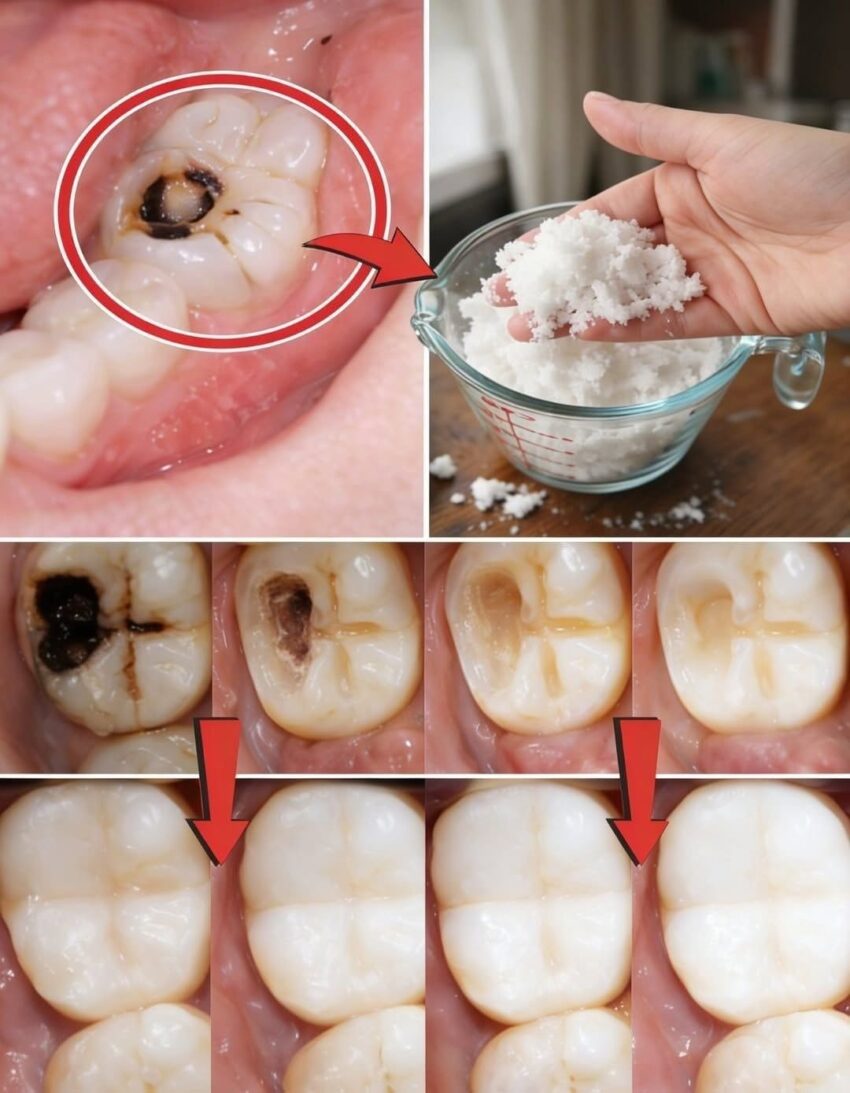
Discover smart everyday habits that can help protect your teeth, prevent cavities and gum problems, and keep your smile healthy for years to come.
A healthy smile is not just about appearance. Your teeth play an important role in eating, speaking, and overall quality of life. The good news is that protecting them does not always require complicated routines. Small, consistent habits practiced every day can make a meaningful difference.
Brushing twice a day is important, but dental health involves much more than brushing alone. What you eat, how often you consume sugary foods, whether you floss, and even how you use your teeth can all affect their condition.
Here are some smart habits that can help you protect your teeth and maintain better oral health.
1. Brush Your Teeth Twice a Day
One of the simplest and most important habits is brushing your teeth twice daily.
Use a soft-bristled toothbrush and fluoride toothpaste. Brush gently for about two minutes, making sure you clean the outer, inner, and chewing surfaces of your teeth.
Brushing too aggressively does not make teeth cleaner. In fact, excessive pressure can irritate the gums and contribute to enamel or gum damage over time.
A gentle technique is usually better than scrubbing hard.
2. Don’t Forget to Clean Between Your Teeth
A toothbrush cannot completely reach the spaces between your teeth. Food particles and plaque can accumulate in these areas, increasing the risk of cavities and gum disease.
Floss or use another appropriate interdental cleaner once a day to clean between the teeth.
If traditional floss is difficult to use, ask your dentist about alternatives such as interdental brushes or water flossers.
3. Pay Attention to Sugary Drinks
Frequent exposure to sugar can increase the risk of tooth decay. This is particularly important with soft drinks, sweetened tea and coffee, energy drinks, juices, and other sugary beverages.
The issue is not simply how much sugar you consume at one time. Frequently sipping sugary drinks throughout the day can repeatedly expose your teeth to an environment that encourages decay.
Water is generally the best everyday drink for your teeth.
4. Don’t Treat Fruit Juice as the Same as Whole Fruit
Fruit can be part of a healthy diet, but fruit juice can be different from eating whole fruit.
Juices may contain significant amounts of naturally occurring sugar and can also be acidic. Drinking them frequently can increase the risk of enamel erosion and tooth decay.
When possible, choose whole fruit and drink water alongside meals.
5. Give Your Teeth a Break Between Meals
Constant snacking can mean your teeth are repeatedly exposed to acids and fermentable carbohydrates.
Instead of grazing continuously throughout the day, try to keep regular meals and limit frequent sugary snacks.
If you do snack, tooth-friendly choices such as plain yogurt, cheese, vegetables, or nuts may be preferable to sticky sweets and sugary snacks.
6. Drink More Water
Water is one of the easiest ways to support good oral hygiene.
It helps wash away food particles and can help maintain saliva flow. Fluoridated tap water, where available, can also contribute fluoride that helps protect against cavities.
After eating, drinking water can be especially useful when brushing immediately isn’t practical.
7. Don’t Brush Immediately After Acidic Foods
Acidic foods and drinks can temporarily soften the outer surface of your teeth.
Brushing immediately after consuming highly acidic foods or beverages may contribute to enamel wear. Instead, rinse your mouth with water and give your mouth some time before brushing.
This is particularly worth remembering after consuming citrus fruits, acidic drinks, or vinegar-heavy foods.
8. Replace Your Toothbrush Regularly
A worn toothbrush is less effective at cleaning your teeth.
Replace your toothbrush or toothbrush head when the bristles become frayed or approximately every three to four months, or sooner if the bristles become damaged.
If you’ve recently been ill, replacing the toothbrush may also be sensible.
9. Protect Your Teeth During Sports
Teeth can be damaged by falls, collisions, or impacts during sports.
If you participate in activities where your mouth could be injured, consider wearing a properly fitted mouthguard.
A mouthguard can help reduce the risk of broken or knocked-out teeth and injuries to the lips and gums.
10. Never Use Your Teeth as Tools
This is a surprisingly common habit.
Using your teeth to open packages, tear plastic, cut tape, loosen bottle caps, or hold objects can cause chips and cracks.
Your teeth are designed for chewing—not for opening containers.
Using the appropriate tool instead can prevent an avoidable dental emergency.
11. Be Careful With Hard Foods and Ice
Chewing ice, hard candy, or other extremely hard objects can put excessive pressure on teeth.
Even a healthy tooth can crack under the wrong combination of force and pressure.
If you enjoy cold drinks, allow ice to melt rather than chewing it.
12. Don’t Ignore Bleeding Gums
Occasional gum bleeding should not simply be dismissed as normal.
Bleeding can occur because of plaque buildup and gum inflammation, particularly when oral hygiene needs improvement. Persistent or frequent bleeding can also be a sign of gum disease.
If your gums regularly bleed when brushing or flossing, schedule a dental examination rather than avoiding the area.
13. Keep Your Tongue Clean
Plaque and bacteria can also accumulate on the tongue.
Gently cleaning your tongue with a toothbrush or tongue cleaner can help maintain a cleaner mouth and may reduce bad breath.
However, tongue cleaning should complement—not replace—brushing and cleaning between the teeth.
14. Avoid Smoking and Tobacco Products
Tobacco can seriously affect oral health.
Smoking and other tobacco products are associated with gum disease, tooth loss, staining, bad breath, delayed healing, and an increased risk of oral cancers.
If you use tobacco, quitting is one of the most valuable steps you can take for both your oral and overall health.
15. Don’t Overuse Whitening Products
A bright smile can be appealing, but aggressive or excessive whitening can cause tooth sensitivity and irritation.
Whitening products should be used according to their instructions. If you have cavities, gum disease, damaged enamel, or significant sensitivity, speak with a dentist before using whitening treatments.
Professional advice is particularly important if you notice a sudden change in tooth color.
16. Visit Your Dentist Even When Nothing Hurts
Dental problems do not always cause pain in their early stages.
Regular dental examinations can help identify cavities, gum problems, enamel damage, and other issues before they become more serious.
How often you need a dental checkup depends on your individual oral health and risk factors, so follow the schedule recommended by your dentist.
17. Pay Attention to What Your Teeth Are Telling You
Certain changes deserve attention.
See a dentist if you experience:
- Persistent toothache
- Sensitivity that doesn’t improve
- Swollen or bleeding gums
- Loose adult teeth
- A broken or chipped tooth
- Persistent bad breath
- Pain when chewing
- Facial or jaw swelling
- A sore in the mouth that doesn’t heal
Early evaluation can sometimes prevent a small problem from becoming a much bigger one.
A Simple Daily Routine for Healthier Teeth
A practical oral-care routine doesn’t need to be complicated.
Morning:
Brush with fluoride toothpaste and clean your tongue gently if desired.
During the day:
Drink water regularly, limit frequent sugary snacks and drinks, and choose nutritious foods.
Evening:
Clean between your teeth and brush thoroughly before going to bed.
Regularly:
Replace your toothbrush when it becomes worn and visit your dentist according to your recommended schedule.
Final Thoughts
Protecting your teeth is largely about consistency. Brushing properly, cleaning between your teeth, drinking water, limiting frequent sugar exposure, avoiding tobacco, and protecting your teeth from unnecessary damage can all contribute to better oral health.
You don’t need a complicated routine to care for your smile. The smartest approach is to build a few simple habits and stick with them every day.
And remember: good home care cannot replace professional dental examinations. If something in your mouth feels unusual or doesn’t improve, getting it checked early is always the safer choice.