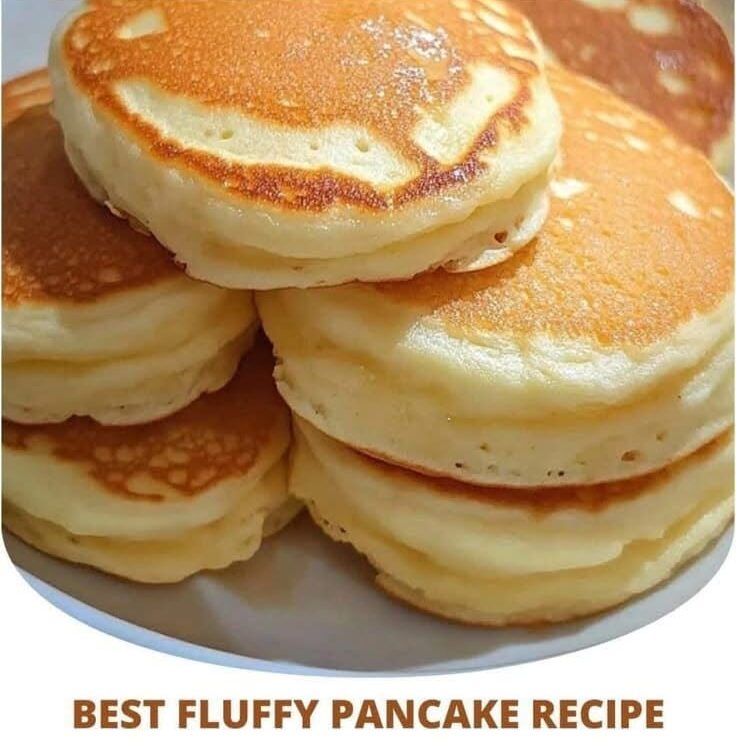
There’s something wonderfully comforting about a stack of warm, fluffy pancakes in the morning. When they’re golden on the outside, soft and airy in the middle, and topped with a drizzle of maple syrup, they can turn an ordinary breakfast into something special.
The secret to super fluffy pancakes isn’t complicated. A few simple ingredients, the right mixing technique, and a gentle hand while cooking are all you need to create thick, tender pancakes that practically melt in your mouth.
Whether you’re making breakfast for the family or treating yourself to a lazy weekend brunch, this easy pancake recipe is one you’ll want to make again and again.
Why These Pancakes Are So Fluffy
The key to fluffy pancakes is keeping the batter light.
Using baking powder helps the pancakes rise as they cook, while milk and eggs provide moisture and structure. The most important step, however, is not overmixing the batter. A few small lumps are perfectly fine. Overmixing develops gluten in the flour, which can make pancakes dense and chewy instead of soft and airy.
For extra-tall pancakes, let the batter rest for about 5–10 minutes before cooking.
Ingredients
For approximately 8–10 pancakes, you’ll need:
- 1½ cups all-purpose flour
- 2 tablespoons granulated sugar
- 2 teaspoons baking powder
- ¼ teaspoon baking soda
- ¼ teaspoon salt
- 1 large egg
- 1¼ cups milk
- 3 tablespoons melted butter, plus extra for the pan
- 1 teaspoon vanilla extract
For Serving
You can keep your toppings simple or get creative with:
- Maple syrup
- Fresh strawberries or blueberries
- Banana slices
- Whipped cream
- Powdered sugar
- Honey
- Chocolate chips
- Chopped nuts
- A small pat of butter
Step 1: Combine the Dry Ingredients
Start by adding the flour, sugar, baking powder, baking soda, and salt to a large mixing bowl.
Whisk everything together until evenly combined.
This step helps distribute the raising agents throughout the flour, so your pancakes rise more evenly as they cook.
Step 2: Prepare the Wet Ingredients
In a separate bowl, whisk together the egg, milk, melted butter, and vanilla extract.
Make sure the melted butter has cooled slightly before adding it to the egg mixture. Very hot butter can partially cook the egg.
If you’re using cold milk straight from the refrigerator, the melted butter may solidify when combined with it. This isn’t a disaster, but using milk that is closer to room temperature can make mixing easier.
Step 3: Make the Pancake Batter
Pour the wet ingredients into the bowl with the dry ingredients.
Using a whisk or spatula, gently mix until just combined.
Do not try to make the batter completely smooth. A few small lumps are exactly what you want.
If you mix until there are no lumps at all, you may end up with tougher pancakes.
The finished batter should be thick but pourable. If it seems unusually thick, add a tablespoon or two of milk. If it looks very thin, let it rest for a few minutes before deciding whether it needs more flour.
Step 4: Let the Batter Rest
Allow the batter to rest for 5–10 minutes.
This gives the flour time to absorb some of the liquid and allows the leavening agents to begin working.
While the batter rests, preheat a nonstick skillet or griddle over medium-low to medium heat.
Step 5: Cook the Pancakes
Lightly grease the pan with a small amount of butter.
For each pancake, pour approximately ¼ cup of batter into the pan.
Cook until bubbles begin to appear across the surface and the edges look slightly set. This usually takes around 2–3 minutes, depending on your pan and heat.
Carefully flip the pancake with a spatula.
Cook the second side for another 1–2 minutes, or until golden brown and cooked through.
Try not to press down on the pancake with your spatula. Doing so can squeeze out the air that makes the pancakes fluffy.
Repeat with the remaining batter.
The Best Heat for Fluffy Pancakes
One of the easiest mistakes to make is cooking pancakes over heat that’s too high.
If the pan is extremely hot, the outside can become dark before the inside has had enough time to cook.
Medium-low to medium heat gives the pancakes enough time to rise and develop a beautiful golden surface.
If your first pancake browns too quickly, lower the heat slightly before cooking the next one.
How to Get Extra-Tall Pancakes
If you love thick, restaurant-style pancakes, try these simple tricks:
Don’t Overmix
This is perhaps the most important rule. Mix only until the ingredients are combined.
Use Fresh Baking Powder
Old baking powder may not provide enough lift. If your pancakes consistently turn out flat, check the freshness of your baking powder.
Let the Batter Rest
A short resting period allows the flour to hydrate and can produce a more tender texture.
Don’t Flatten the Pancakes
Once the batter hits the pan, let it rise naturally. Avoid pressing down with your spatula.
Cook at the Right Temperature
Moderate heat allows the pancakes to cook through without burning the outside.
Delicious Topping Ideas
A warm stack of fluffy pancakes is delicious with classic maple syrup, but there are plenty of ways to customize them.
Classic
Top with butter and warm maple syrup for a simple breakfast everyone loves.
Berry Pancakes
Add fresh strawberries, blueberries, or raspberries on top. A little powdered sugar makes them even more tempting.
Banana and Nut
Layer sliced bananas over the pancakes and sprinkle with chopped walnuts or pecans.
Chocolate Lover’s Version
Add chocolate chips to the batter or sprinkle them over the pancakes while they’re cooking. Finish with a little chocolate sauce.
Cinnamon Sugar
Mix a little cinnamon with sugar and sprinkle it over the finished pancakes. Add a small pat of butter for extra richness.
Can You Add Ingredients to the Batter?
Absolutely.
For blueberry pancakes, gently fold fresh or frozen blueberries into the batter just before cooking.
For chocolate chip pancakes, add a handful of mini chocolate chips.
You can also add a pinch of cinnamon, a little lemon zest, mashed banana, or chopped nuts.
The key is not to overload the batter with additions, as too many ingredients can make the pancakes difficult to cook evenly.
How to Keep Pancakes Warm
If you’re cooking a large batch, place the finished pancakes on a plate and keep them warm in a low-temperature oven while you cook the rest.
Avoid stacking extremely hot pancakes for too long if you want to preserve their crisp edges, as the trapped steam can soften the surfaces.
How to Store Leftover Pancakes
If you have leftovers, allow them to cool completely before storing.
Place them in an airtight container and refrigerate for up to a few days.
For longer storage, pancakes can be frozen. Separate them with pieces of parchment paper so they don’t stick together, then place them in a freezer-safe bag or container.
They can be reheated in a toaster, skillet, or microwave.
Common Pancake Problems and How to Fix Them
My pancakes are flat.
Your baking powder may be old, or the batter may have been mixed too much. Make sure your raising agents are fresh and mix the batter gently.
My pancakes are burnt outside but raw inside.
The pan is probably too hot. Lower the heat and give the pancakes more time to cook.
My pancakes are tough.
Overmixing is one of the most common causes. Mix only until the dry and wet ingredients are incorporated.
My pancakes aren’t evenly golden.
Make sure the pan is heated evenly and use a consistent amount of batter for each pancake.
Frequently Asked Questions
Can I make the batter ahead of time?
For the fluffiest results, it’s generally best to cook the batter relatively soon after mixing. If you’re preparing breakfast ahead of time, making and storing the cooked pancakes is often more convenient.
Can I use buttermilk?
Yes. Buttermilk can add a pleasant tang and works especially well in fluffy pancakes. If you substitute buttermilk for regular milk, the batter may have a slightly thicker consistency.
Why are my pancakes not fluffy?
The most common reasons are overmixing, expired baking powder, overly high heat, or a batter that is too thin.
Can I make these pancakes without vanilla?
Absolutely. Vanilla adds flavor but isn’t essential to the structure of the pancakes.
Final Tips for Perfect Pancakes
The beauty of homemade pancakes is that they don’t have to be perfect to be delicious. Focus on a few basics: use fresh ingredients, don’t overmix the batter, allow it to rest briefly, and cook the pancakes over moderate heat.
Once you master those simple techniques, you’ll be able to make a stack of soft, thick, golden, and super fluffy pancakes whenever the craving strikes.
Serve them warm with butter and maple syrup, add your favorite fruits or toppings, and enjoy a breakfast that feels just a little more special.