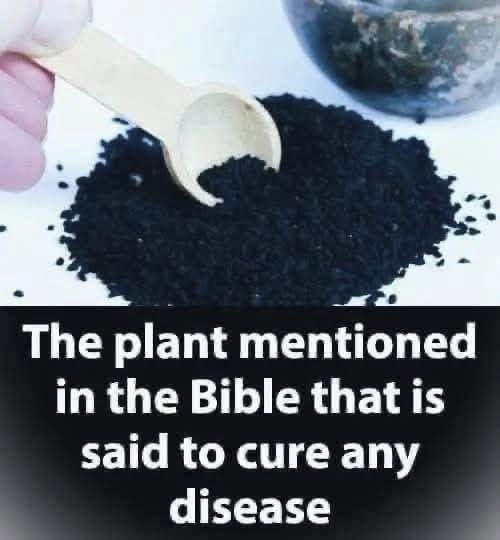
Throughout history, plants have played an important role in traditional healing and religious traditions. One plant that is often discussed in this context is black seed (Nigella sativa), also known as black cumin or kalonji.
In Islamic tradition, black seed is mentioned in the hadith literature as having healing benefits. Because of this, it has been used traditionally in many cultures for generations.
But does black seed really cure every disease?
The answer requires some important context.
What Is Black Seed?
Black seed comes from the plant Nigella sativa, which produces small black seeds. It is commonly used as a spice and traditional remedy in parts of the Middle East, South Asia, and other regions.
The seeds contain naturally occurring compounds, including thymoquinone, which has been studied for its antioxidant and anti-inflammatory properties.
Black seed can be consumed as whole seeds, ground powder, or oil. However, these forms are not necessarily equivalent, and the amount of active compounds can vary between products.
Why Is Black Seed Considered Special?
Black seed has a long history in traditional medicine. It has been used traditionally for a variety of complaints, including digestive discomfort, respiratory symptoms, and general wellness.
Modern scientific research has also investigated Nigella sativa for possible effects on blood sugar, cholesterol, inflammation, blood pressure, and other health measures.
Some studies have reported potentially beneficial effects, but research quality and results vary. Many studies are relatively small, and evidence for treating specific diseases remains limited.
Therefore, it would be misleading to describe black seed as a proven cure for every illness.
How Is It Traditionally Used?
Traditionally, people may use black seed as a food ingredient or consume small amounts of the seeds or oil.
If you choose to include black seed in your diet, treating it as a food or traditional supplement is different from using it as a replacement for prescribed medical treatment.
There is no universally established dose that can be recommended for curing a particular disease.
Can Black Seed Replace Medicine?
No.
Even when a plant has a long history of traditional use, that does not mean it can replace modern medical treatment.
Conditions such as diabetes, cancer, heart disease, infections, high blood pressure, or other serious illnesses may require diagnosis and evidence-based treatment.
Stopping prescribed medication in favor of a herbal remedy could allow a condition to become worse.
A sensible approach is to appreciate traditional remedies while also considering what modern research actually shows.
Are There Any Side Effects?
Natural does not automatically mean risk-free.
Black seed and black seed oil may cause digestive discomfort or other reactions in some people. Concentrated oils and supplements can also behave differently from the small quantities normally used as food.
People taking regular medications, those who are pregnant or breastfeeding, or anyone with a chronic medical condition should speak with a healthcare professional before using concentrated black seed products.
A Balanced Way to Look at Traditional Remedies
Religious and traditional references can be meaningful sources of cultural and spiritual guidance. At the same time, claims about treating disease should be evaluated separately from those traditions.
Black seed may have interesting nutritional and medicinal properties, and researchers continue to study it. But saying that one plant can “cure any disease” goes beyond what current scientific evidence can establish.
The safest approach is to use traditional remedies thoughtfully, avoid exaggerated claims, and seek appropriate medical care when symptoms are serious or persistent.
Final Thoughts
Black seed is a remarkable plant with a long history of traditional use and religious significance. Scientific research suggests that it contains biologically active compounds that may have health-related effects, but it has not been established as a universal cure for disease.
Traditional knowledge and modern medicine do not have to be treated as opposites. Understanding both—and knowing the limits of each—can help people make safer and more informed health decisions.