Discover the nutritional benefits of healthy seeds, including chia, flax, pumpkin, and sesame seeds. Learn how they support heart health, digestion, and overall wellness—and what they cannot cure.
Seeds are small, but many contain an impressive combination of fiber, healthy fats, protein, vitamins, minerals, and antioxidants. Adding them to a balanced diet can help improve nutritional intake and support several aspects of overall health.
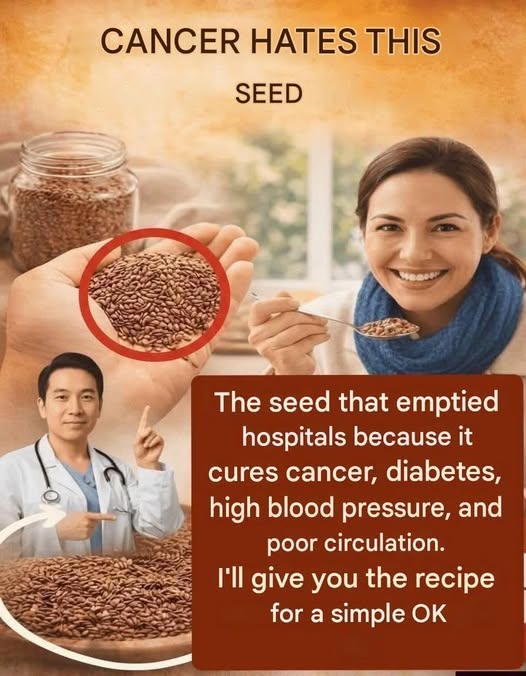
Online headlines sometimes claim that particular seeds can “destroy even the deadliest disease.” However, no seed has been scientifically proven to cure every serious disease or replace medical treatment. The real benefits are more practical: certain seeds can contribute to a heart-healthy diet, support regular digestion, and provide nutrients the body needs to function properly.
Here are six nutritious seeds worth considering.
1. Flaxseeds: A Source of Fiber and Omega-3 Fats
Flaxseeds contain alpha-linolenic acid (ALA), a plant-based omega-3 fatty acid, as well as fiber and lignans, which are natural plant compounds.
Potential benefits include:
- Supporting healthy bowel movements through dietary fiber.
- Helping lower LDL cholesterol in some people when included regularly in the diet.
- Providing plant-based omega-3 fats.
- Contributing antioxidant compounds to a balanced eating pattern.
How to eat them: Ground flaxseeds are generally easier to digest than whole seeds. Add a small amount to oatmeal, yogurt, or a smoothie.
Flaxseeds are nutritious, but they have not been proven to cure cancer, diabetes, or other serious diseases.
2. Chia Seeds: Helpful for Digestion and Satiety
Chia seeds provide fiber, plant-based omega-3 fats, protein, and minerals such as calcium and magnesium.
Their soluble fiber absorbs water and forms a gel, which can help support bowel regularity and make meals more filling.
How to eat them: Mix them into yogurt or oatmeal, or soak them thoroughly in water or milk before eating.
Avoid swallowing large spoonfuls of dry chia seeds, especially if you have difficulty swallowing, because they expand when exposed to liquid.
3. Pumpkin Seeds: A Source of Magnesium and Zinc
Pumpkin seeds contain protein, unsaturated fats, magnesium, zinc, and other important nutrients.
These nutrients contribute to normal muscle and nerve function, immune function, and many other processes in the body.
How to eat them: Enjoy a small handful of unsalted pumpkin seeds as a snack or sprinkle them over salads and soups.
Although pumpkin seeds are nutritious, claims that they independently eliminate cancer or cure prostate disease are not supported by sufficient clinical evidence.
4. Sesame Seeds: Small Seeds With Valuable Nutrients
Sesame seeds provide unsaturated fats, fiber, minerals, and plant compounds such as lignans.
Replacing some saturated fats with unsaturated fats as part of a balanced diet can support healthy cholesterol levels. Sesame seeds can contribute to this dietary pattern.
How to eat them: Sprinkle sesame seeds over vegetables, add them to homemade bread, or use tahini, a paste made from sesame seeds.
People with sesame allergies should avoid sesame products because sesame can cause serious allergic reactions.
5. Sunflower Seeds: Vitamin E and Healthy Fats
Sunflower seeds are a useful source of vitamin E, an antioxidant that helps protect cells from oxidative damage. They also provide unsaturated fats, protein, and other nutrients.
How to eat them: Choose unsalted varieties and add a small portion to salads, homemade trail mixes, or breakfast cereals.
Because seeds are energy-dense, portion size matters if you are monitoring your overall calorie intake.
6. Fenugreek Seeds: Traditional Uses and Possible Benefits
Fenugreek seeds have a long history of use in traditional cooking and herbal practices. They contain fiber and various plant compounds, and some small studies suggest possible effects on blood sugar regulation.
However, research findings are not conclusive enough to consider fenugreek a treatment for diabetes or other chronic diseases.
People taking diabetes medication should consult their healthcare professional before using concentrated fenugreek supplements, as these may increase the risk of low blood sugar. Fenugreek can also cause digestive discomfort and allergic reactions.
Pregnant women should avoid medicinal or concentrated doses unless specifically advised by a qualified healthcare professional.
Can Seeds Really Destroy Serious Diseases?
Despite dramatic claims on social media, there is no reliable scientific evidence that eating a particular seed destroys all dangerous diseases.
A healthy diet can help reduce the risk of some chronic conditions, but disease prevention and treatment depend on many factors, including genetics, lifestyle, environmental exposures, and access to medical care.
Seeds may be part of a nutritious eating pattern, but they cannot replace prescribed medicines, cancer treatment, or appropriate medical assessment.
Be particularly cautious of products claiming to cure cancer, reverse diabetes overnight, or eliminate tumors without medical treatment.
How to Add Seeds to Your Daily Diet
You do not need expensive supplements or complicated recipes to benefit from nutritious seeds.
- Add ground flaxseeds to oatmeal or yogurt.
- Mix soaked chia seeds into a breakfast bowl.
- Sprinkle pumpkin or sunflower seeds over salads.
- Use sesame seeds in homemade meals.
- Include small portions of different seeds throughout the week.
- Drink enough water when increasing your fiber intake.
Start with small portions if you are not accustomed to eating high-fiber foods, and check with a healthcare professional if you have a seed allergy or a medical condition requiring dietary restrictions.
Final Thoughts
Flaxseeds, chia seeds, pumpkin seeds, sesame seeds, sunflower seeds, and fenugreek seeds each offer different nutritional benefits. When eaten as part of a balanced diet, they can contribute fiber, healthy fats, protein, and essential minerals.
Their value lies in supporting good nutrition—not in acting as miracle cures.
The most effective approach to protecting your health is to combine a balanced diet with appropriate medical care, regular physical activity, and evidence-based prevention.
Medical disclaimer: This article is for general educational purposes and does not replace professional medical advice or treatment.