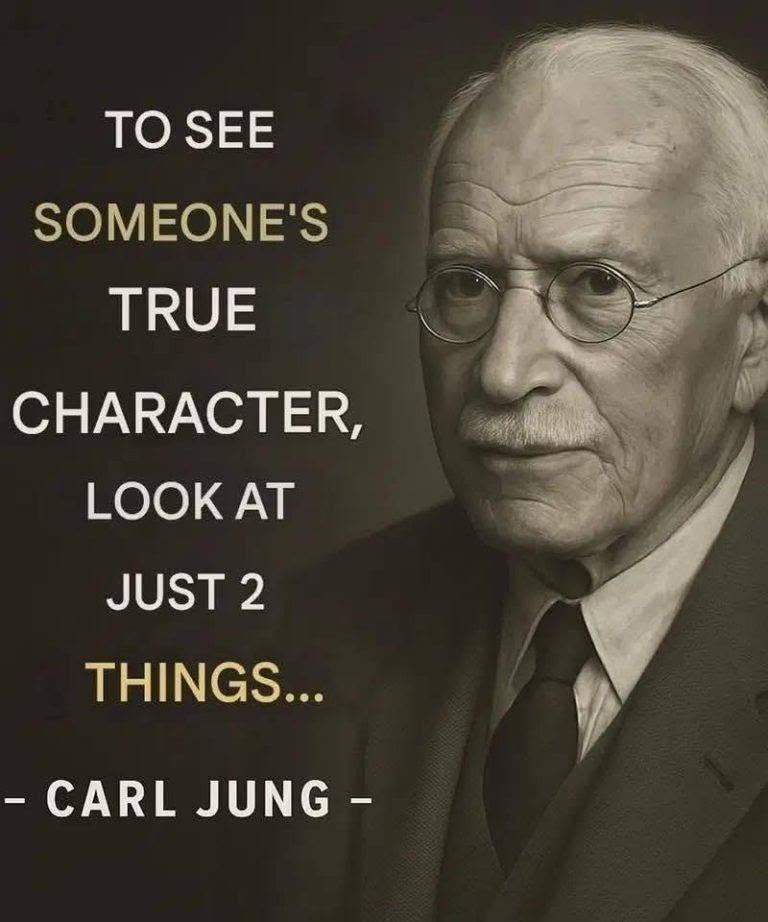
Want to understand someone’s true character? Pay attention to how they treat people when they have nothing to gain and how they behave when things don’t go their way.
It is easy for people to appear kind, generous, patient, and respectful when everything is going their way. A person may say all the right things, smile at everyone, and behave perfectly when they want to make a good impression.
But true character is rarely revealed during comfortable moments.
You often learn much more about a person by watching what they do when nobody is rewarding them, when they are frustrated, or when they have nothing to gain.
If you want to understand someone beyond their words, there are two simple things worth observing.
1. Watch How They Treat People Who Cannot Benefit Them
One of the clearest signs of character is how someone treats people from whom they have nothing to gain.
Pay attention to how they speak to waiters, cleaners, delivery workers, elderly people, children, strangers, or anyone they consider less important.
Someone who is polite only to wealthy, powerful, or influential people may not necessarily be genuinely respectful. Their kindness could depend on what they expect in return.
True kindness tends to be consistent.
A person with good character does not need an audience or a reward to show basic respect. They understand that every person deserves dignity, regardless of their position, income, appearance, or social status.
Look Beyond Their Words
Someone might constantly describe themselves as compassionate, humble, or generous. But their everyday behavior tells you much more.
Do they listen when someone is speaking?
Do they say “thank you” to people who help them?
Do they apologize when they make a mistake?
Do they make fun of people who are struggling?
Do they become rude when someone cannot give them what they want?
These small interactions can reveal more than a long conversation about personality.
How They Treat People Who Serve Them Matters
A particularly revealing situation is when someone is dealing with a person who is providing a service.
Watch how they behave when a restaurant order is late, a cashier makes a small mistake, or customer service does not immediately solve their problem.
A patient response can reveal emotional maturity.
An unnecessarily cruel or humiliating response can reveal something very different.
Of course, everyone has bad days. One impatient moment does not automatically define a person. The important thing is the pattern.
If disrespect repeatedly appears whenever someone has power over another person, it is worth paying attention to.
2. Watch How They Behave When They Don’t Get What They Want
The second powerful test of character is disappointment.
Anyone can be pleasant when they get what they want.
But what happens when they hear “no”?
What happens when plans change?
What happens when they lose an argument?
What happens when someone disagrees with them?
What happens when they are criticized?
These situations can reveal emotional control, humility, and respect for other people’s boundaries.
Disappointment Reveals Emotional Maturity
A mature person can be disappointed without becoming cruel.
They may feel angry, frustrated, or hurt, but they try to express those feelings without intentionally hurting everyone around them.
They understand that not getting their way is part of life.
An immature reaction may look very different.
Someone may:
- Give the silent treatment to punish another person
- Insult people during disagreements
- Blame everyone else for their problems
- Threaten to leave whenever they are challenged
- Become aggressive when told “no”
- Bring up someone’s past mistakes during an argument
- Try to manipulate others into changing their decision
- Refuse to accept responsibility
Again, one emotional reaction does not necessarily tell the entire story. What matters is whether the behavior becomes a repeated pattern.
Pay Attention to How They Handle Being Wrong
Another revealing moment comes when someone discovers that they made a mistake.
Can they say, “I was wrong”?
Can they apologize without adding excuses?
Can they listen to another person’s perspective?
Can they change their behavior afterward?
A person who can admit mistakes demonstrates something important: humility.
Nobody is right all the time. Strong character does not mean never making mistakes. It means having enough self-awareness to acknowledge them.
Why These Two Things Are So Revealing
People can control their words.
They can carefully choose what stories to tell about themselves. They can present themselves as generous, successful, confident, or kind.
But behavior becomes harder to control when emotions are involved.
When someone is frustrated, disappointed, or dealing with a person they consider unimportant, their natural habits often become more visible.
That is why ordinary moments can tell you more than impressive conversations.
You don’t necessarily need to “test” someone or create situations to expose them.
Simply observe.
Character Is Often Found in Small Moments
True character does not always appear in dramatic situations.
Sometimes it appears in tiny details:
A person returning something they borrowed.
Someone admitting they forgot.
A friend checking on you without needing anything.
A parent apologizing to a child.
A stranger helping someone who is struggling.
A person remaining respectful during a disagreement.
These moments may seem insignificant, but repeated small behaviors create a much clearer picture of someone’s character.
Don’t Judge Someone From One Moment
There is an important distinction between observing behavior and judging someone too quickly.
Everyone becomes tired, stressed, impatient, or emotional sometimes.
A normally kind person can have a terrible day.
Someone can respond poorly to a situation and later recognize their mistake, apologize, and do better.
Therefore, don’t decide who someone is based on one isolated incident.
Instead, look for patterns.
Ask yourself:
Is this behavior occasional, or is it consistent?
Do they take responsibility afterward?
Do they treat different people differently based on what they can gain?
Do they respect boundaries even when they disagree?
These questions can provide a much more accurate understanding of someone’s personality.
Actions Usually Speak Louder Than Labels
People often tell us who they are.
“I am loyal.”
“I am a good person.”
“I always respect people.”
“I would never hurt anyone.”
There is nothing wrong with saying these things. But character is ultimately demonstrated through behavior.
A person doesn’t become trustworthy simply by calling themselves trustworthy.
Trust develops when their actions repeatedly match their words.
The same is true of kindness, honesty, patience, and respect.
The Two Things to Remember
If you want a simple way to understand someone’s character, remember these two observations:
1. Watch how they treat people they don’t need.
Their behavior toward people who cannot offer them money, status, connections, or advantages can reveal whether their kindness is genuine.
2. Watch how they behave when they don’t get what they want.
Disappointment can reveal patience, emotional maturity, humility, and respect for boundaries.
Neither observation gives you a perfect psychological diagnosis of someone. But together, they can help you notice patterns that words alone may hide.
Final Thoughts
You don’t always need to ask someone dozens of questions to understand them.
Sometimes, you simply need to watch.
Watch how they speak to people who cannot help them.
Watch how they respond when they are told “no.”
Watch what happens when they are wrong.
Watch whether they apologize.
Watch whether their kindness disappears when there is nothing to gain.
Most importantly, give people enough time for their patterns to become visible.
Because true character is rarely found in what someone says about themselves.
It is found in what they repeatedly do—especially when nobody is watching and nothing is going their way.