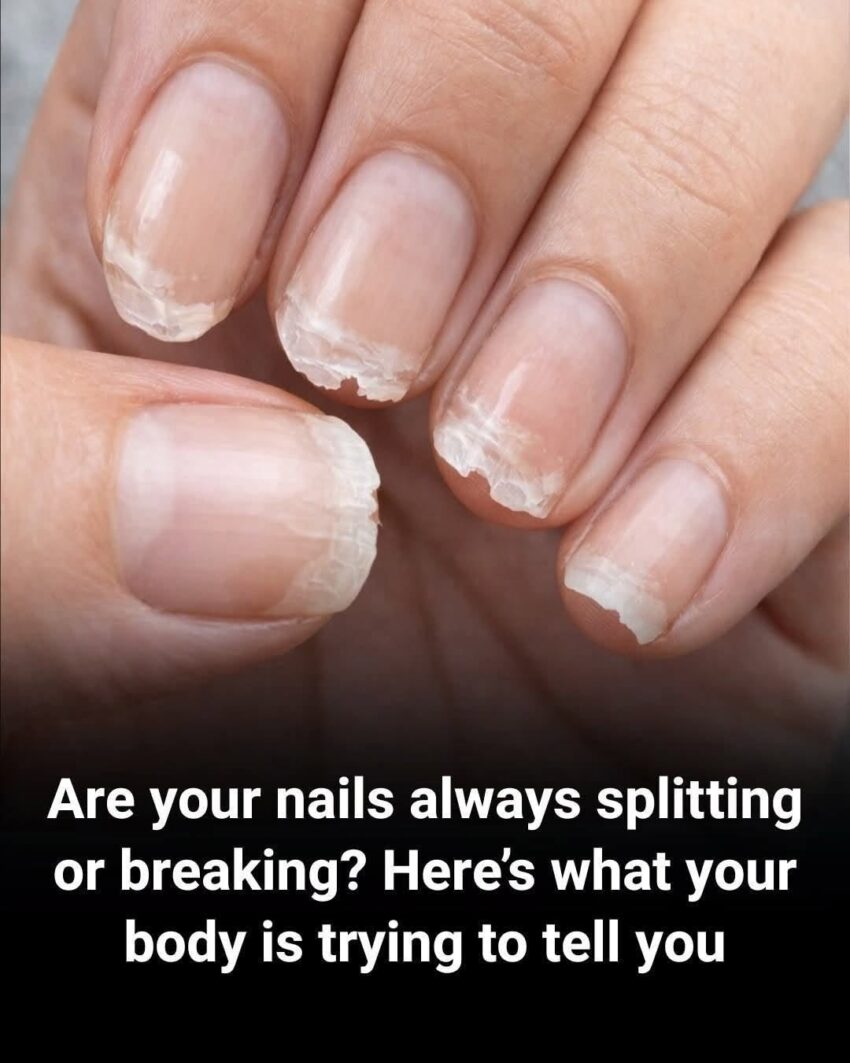
Discover the common causes of weak, brittle nails, from frequent water exposure and nutritional deficiencies to thyroid problems. Learn practical ways to strengthen your nails and when to seek medical advice.
Have you noticed your nails splitting, peeling, breaking easily, or becoming unusually thin? Weak or brittle nails are a common concern, and although they are often caused by everyday habits, they can sometimes be associated with nutritional deficiencies or underlying health conditions.
Your fingernails are made primarily of keratin, a protein that forms a protective structure. When this structure becomes damaged, your nails may lose their strength and begin to crack or peel.
The good news is that many cases of brittle nails improve with simple changes in nail care. However, persistent changes deserve attention, particularly when they occur alongside other symptoms.
1. Frequent Exposure to Water and Cleaning Products
One of the most common causes of brittle nails is repeated exposure to water, detergents, and cleaning chemicals.
When nails repeatedly become wet and then dry, they expand and contract. Over time, this process can weaken their structure and contribute to splitting or peeling.
Household cleaning products may also irritate the skin around the nails and damage the nail surface.
What you can do:
- Wear protective gloves when washing dishes or cleaning.
- Apply a fragrance-free moisturizer after washing your hands.
- Use a thick hand cream or petroleum jelly around your nails before bed.
- Avoid keeping your hands immersed in water for unnecessarily long periods.
These small habits can help protect your nails from repeated damage.
2. Not Getting Enough Essential Nutrients
Nail growth depends on adequate nutrition. A diet that lacks sufficient calories, protein, or certain vitamins and minerals may contribute to weak nails.
Nutrients associated with healthy nail growth include:
- Iron: Iron deficiency can sometimes cause brittle or spoon-shaped nails, especially when the deficiency is significant.
- Protein: Nails are primarily made of keratin, so adequate dietary protein supports normal nail growth.
- Zinc: This mineral plays a role in normal cell growth and tissue repair.
- Vitamin B12 and folate: Deficiencies can affect normal blood cell production and may be associated with nail changes in some people.
However, brittle nails alone do not prove that you have a vitamin or mineral deficiency.
What you can do:
Include a variety of nutritious foods in your daily meals, such as eggs, beans, lentils, fish, meat, dairy products, nuts, seeds, and leafy green vegetables.
If your nails remain weak despite good nail care and a balanced diet, a healthcare professional can assess whether testing for a nutritional deficiency is appropriate.
3. Iron Deficiency or Anemia
Iron deficiency is an important possible cause of nail changes. In more pronounced cases, nails may become thin, fragile, or concave, creating a spoon-like appearance known as koilonychia.
Other symptoms of iron deficiency anemia can include:
- Unusual tiredness or weakness.
- Dizziness or lightheadedness.
- Shortness of breath during activity.
- Pale skin.
- Headaches or a racing heartbeat.
These symptoms can have many causes, so they should not be used to diagnose iron deficiency on their own.
What you can do:
Ask a healthcare professional whether a complete blood count and ferritin test are appropriate if you have persistent brittle nails along with symptoms of anemia. Avoid starting high-dose iron supplements without medical advice, because excess iron can be harmful.
4. Thyroid Problems
The thyroid gland helps regulate metabolism and affects many body functions, including normal skin, hair, and nail growth.
An underactive thyroid, known as hypothyroidism, may sometimes be associated with brittle nails. Other possible symptoms include unusual fatigue, feeling cold more easily than usual, constipation, dry skin, and changes in weight.
An overactive thyroid can also affect nail growth and appearance.
What you can do:
If nail changes occur alongside several of these symptoms, consult a healthcare professional. They may recommend thyroid function tests, depending on your symptoms and medical history.
Brittle nails alone are not enough to determine whether your thyroid is functioning normally.
5. Frequent Manicures and Nail Products
Gel manicures, acrylic nails, artificial nail adhesives, and repeated use of acetone-based removers can weaken the nail surface.
Aggressive filing, peeling off gel polish, or scraping away artificial products can remove layers of the natural nail, making it thinner and more likely to split.
What you can do:
- Take breaks between gel or acrylic manicures.
- Avoid peeling off nail polish or artificial nails.
- File gently in one direction rather than aggressively sawing back and forth.
- Use a moisturizer on your nails and cuticles.
- Choose a gentle polish remover when practical.
If your nails have become thin after repeated manicures, allow time for healthy nail growth and avoid further damage.
6. Aging and Natural Nail Changes
Nails can change as you get older. Some people develop increased brittleness, ridges, slower nail growth, or a rougher surface.
These changes do not automatically indicate illness. However, a sudden change in nail appearance should not simply be attributed to age.
What you can do:
Keep your nails at a manageable length, moisturize regularly, and protect your hands during household chores. Avoid cutting or pushing back the cuticles aggressively, as they help protect the nail’s growing area.
7. Nail Infections or Skin Conditions
Sometimes, brittle or discolored nails are related to an underlying nail infection or skin condition.
A fungal nail infection may cause nails to become thick, discolored, crumbly, or separated from the nail bed. Conditions such as psoriasis and eczema can also affect the nails or surrounding skin.
Possible warning signs include:
- Yellow, white, or brown discoloration.
- Thickening or crumbling.
- Separation of the nail from the skin underneath.
- Persistent redness, swelling, or discomfort around the nail.
What you can do:
Seek medical advice if you notice these changes, particularly if they affect several nails or continue to worsen. Not all nail discoloration is caused by fungus, and treatment depends on the underlying cause.
8. Biotin Deficiency: Do You Need a Supplement?
Biotin, also known as vitamin B7, is involved in normal metabolism and helps the body process certain nutrients. Biotin deficiency is uncommon, but it can cause changes involving the hair, skin, and nails.
Biotin supplements are frequently marketed for stronger nails. However, scientific evidence that they improve brittle nails in otherwise healthy people is limited.
High-dose biotin can also interfere with certain laboratory tests, including some tests used to assess thyroid function and heart problems.
What you can do:
Before taking a high-dose biotin supplement, discuss it with a healthcare professional. Tell your doctor and laboratory staff if you take biotin, particularly before blood testing.
How to Strengthen Weak and Brittle Nails Naturally
You do not necessarily need expensive nail treatments to improve nail health. Start with a consistent routine.
Moisturize Every Day
Apply hand cream after washing your hands, and massage a small amount of petroleum jelly or a rich moisturizer into your nails and surrounding skin before bed.
Keep Your Nails Short
Long nails are more likely to catch on objects and split. Keeping them at a comfortable length can reduce mechanical damage while they recover.
Wear Gloves for Wet Work
Use waterproof gloves for washing dishes, cleaning bathrooms, or handling detergents. If your hands become sweaty inside the gloves, remove them periodically and allow them to dry.
Eat a Balanced Diet
Include adequate protein and a variety of foods containing iron, zinc, and B vitamins. Food-first nutrition is generally preferable to taking supplements without a confirmed need.
Avoid Harsh Nail Treatments
Give damaged nails a break from artificial extensions, frequent gel manicures, and aggressive polishing.
Remember that fingernails grow slowly. It may take several months to see substantial improvement because the damaged portion must grow out.
When Should You See a Doctor?
Consider a medical assessment if your nails remain brittle despite several weeks of careful nail care, or if the problem is worsening.
Seek medical advice sooner if you notice:
- Spoon-shaped nails or marked changes in nail thickness.
- Nail changes accompanied by significant fatigue, dizziness, or shortness of breath.
- Pain, swelling, or signs of infection.
- A new dark streak or unusual dark discoloration affecting one nail, particularly if it changes or spreads.
- Sudden changes affecting many nails without an obvious explanation.
A clinician can examine your nails and determine whether blood tests, infection testing, or another evaluation is necessary.
Final Thoughts
Weak or brittle nails can result from everyday exposure to water, cleaning products, frequent manicures, aging, or nutritional deficiencies. In some cases, they may also be associated with thyroid problems, anemia, infections, or skin conditions.
The key is to look at the overall picture rather than assume every nail problem signals a serious illness.
Protect your hands, moisturize consistently, eat a balanced diet, and seek medical advice if changes persist or occur alongside other symptoms. With the right care and treatment of any underlying cause, many people can improve the strength and appearance of their nails over time.