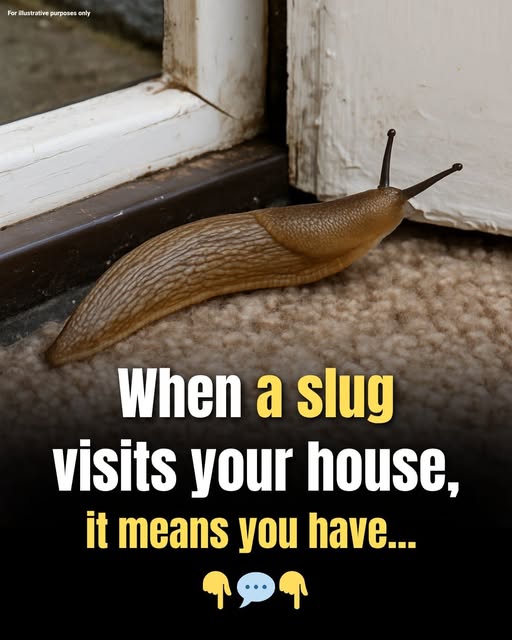
Slugs may look like slimy garden pests, but they play important roles in soil health, decomposition, nutrient cycling, and the wider garden ecosystem.
When most people spot a slug slowly moving across a garden path, their first thought is probably not, “What an important little creature!”
Slugs are often associated with holes in lettuce leaves, damaged seedlings, and the frustrating task of protecting plants from nighttime feeding. But despite their reputation as garden pests, slugs are much more interesting—and ecologically important—than they appear.
These soft-bodied creatures are part of a much larger natural system, and they perform several jobs that often go unnoticed.
Slugs Help Break Down Organic Matter
One of the most useful things slugs do is help with decomposition.
As slugs feed on decaying leaves, plant material, fungi, and other organic matter, they help break large pieces of material into smaller particles. Their feeding and digestion contribute to the process through which nutrients are eventually returned to the soil.
This means that a slug crawling through fallen leaves isn’t necessarily causing trouble. In many cases, it is participating in the natural recycling system happening right beneath our feet.
They Contribute to Nutrient Cycling
Plants need nutrients such as nitrogen, phosphorus, and other minerals to grow.
When organic material is consumed and processed by animals such as slugs, nutrients can eventually become available to other organisms in the ecosystem. Slug waste also becomes part of the organic material that soil organisms process.
In this way, slugs are one small part of the continuous cycle of nutrients moving through plants, animals, soil, and microorganisms.
Slugs Are Food for Other Animals
A healthy ecosystem depends on food webs, and slugs can be an important food source for many animals.
Depending on where you live, slugs may be eaten by:
- Ground beetles
- Birds
- Frogs and toads
- Small mammals
- Reptiles
- Some insects and other invertebrates
So while gardeners may see a slug as something attacking their vegetables, another animal may see the same slug as an important meal.
Removing every slug from a garden can therefore have effects beyond the plants themselves.
They Can Tell You Something About Your Garden
Slugs generally prefer damp, sheltered environments. Finding them around your garden can therefore provide clues about the conditions in that particular area.
A large slug population may indicate places with plenty of moisture, shade, shelter, and organic material.
This doesn’t automatically mean something is wrong with your garden. However, if slugs are repeatedly damaging young plants, it may be useful to look at where moisture is accumulating and whether plants are being watered more than necessary.
Not Every Slug Is a Garden Enemy
This is an important point.
Different slug species have different diets and ecological roles. Some are more likely to feed on living garden plants, while others spend much of their time consuming decomposing material, fungi, or other organic matter.
That means it isn’t always necessary—or beneficial—to treat every slug as a destructive pest.
If you find one slug under a piece of fallen wood, for example, it may simply be participating in the decomposition process.
Slugs Are Surprisingly Adaptable
Slugs may appear slow and vulnerable, but they have developed effective ways to survive.
Their mucus helps them move across surfaces and retain moisture. They tend to be more active when environmental conditions are cool and damp, while many species reduce activity during hot or dry periods.
Their behavior is strongly influenced by temperature, humidity, shelter, and food availability.
Should You Remove Slugs From Your Garden?
If slugs are damaging vegetables or young plants, some control may be necessary.
But instead of trying to eliminate every slug, gardeners can focus on protecting valuable plants while maintaining a healthy ecosystem.
Simple approaches may include:
- Checking plants after dark when slugs are active
- Removing hiding places immediately around vulnerable plants
- Keeping heavily damaged seedlings protected
- Avoiding unnecessary overwatering
- Encouraging natural predators
- Using appropriate slug-control methods when damage becomes significant
The goal doesn’t have to be a completely slug-free garden.
A Different Way to Look at Slugs
Slugs aren’t beautiful in the traditional sense, and nobody is required to love finding them on their vegetables.
But they are more than slimy garden pests.
They help process organic material, participate in nutrient cycling, provide food for other animals, and contribute to the complex web of life that keeps gardens and natural environments functioning.
The next time you see a slug slowly making its way across the garden, remember that you’re looking at a small member of an ecosystem—not simply an unwanted intruder.
Sometimes the creatures we dislike most are quietly doing jobs that benefit the environment in ways we rarely notice.