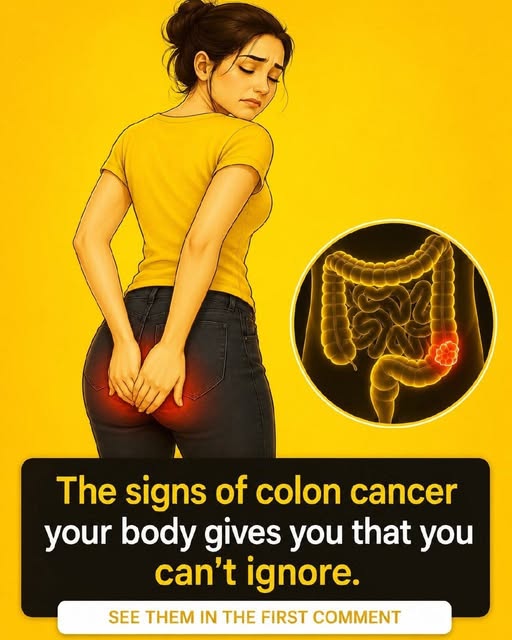
Colon cancer, also called colorectal cancer when it involves the colon or rectum, can develop gradually and may cause few or no symptoms in its early stages.
That is why you should not wait for severe symptoms before getting checked. Screening can detect colorectal cancer early and can also find abnormal growths called polyps before some of them become cancer.
If you notice persistent changes in your bowel habits, blood in your stool, unexplained weight loss, or ongoing abdominal discomfort, don’t try to treat the problem at home. Arrange an appointment with a healthcare professional.
8 Possible Warning Signs of Colorectal Cancer
1. Blood in the Stool
Blood in or on the stool can be a warning sign of colorectal cancer.
It may appear bright red, or the stool may look unusually dark.
However, blood in the stool does not automatically mean cancer. Hemorrhoids, anal fissures, infections, inflammatory bowel disease, and other conditions can also cause bleeding.
Any unexplained or persistent rectal bleeding deserves medical evaluation.
2. A Persistent Change in Bowel Habits
Pay attention to a new change in your normal bowel pattern.
This can include:
- Constipation
- Diarrhea
- More frequent bowel movements
- Narrower stools
- Alternating constipation and diarrhea
- Feeling that your bowel has not completely emptied
A temporary change is often caused by diet, infection, stress, medication, or another condition.
A persistent or unexplained change should be discussed with a doctor.
3. Abdominal Pain or Cramping
Ongoing abdominal pain, aches, bloating, or cramping can have many causes.
Most abdominal discomfort is not caused by cancer, but persistent symptoms—especially when combined with changes in bowel habits or bleeding—should be evaluated.
4. Unexplained Weight Loss
Losing weight without deliberately changing your diet or activity level can be a warning sign of several medical conditions, including cancer.
If you are losing weight unexpectedly, don’t try to correct it with supplements or home remedies. Find out why it is happening.
5. Feeling That Your Bowel Has Not Emptied
Some people experience a persistent sensation that they still need to have a bowel movement even after going to the toilet.
This symptom can occur for several reasons, but if it continues, it deserves medical assessment.
6. Unexplained Anemia or Low Iron
Colorectal cancer can sometimes cause slow blood loss that isn’t obvious when you use the bathroom.
Over time, this can contribute to iron-deficiency anemia.
Possible symptoms of anemia include:
- Unusual tiredness
- Weakness
- Shortness of breath
- Dizziness
- Pale skin
If blood tests show unexplained iron-deficiency anemia, your healthcare professional may recommend investigating the digestive tract.
7. Persistent Fatigue or Weakness
Fatigue is common and can have countless causes, including poor sleep, stress, anemia, infections, thyroid disorders, and nutritional deficiencies.
However, persistent unexplained fatigue—especially when accompanied by weight loss, blood in the stool, or bowel changes—should not be ignored.
8. Few or No Symptoms
This may be the most important point.
You can have colorectal cancer or precancerous polyps without obvious symptoms.
That is why screening is so important, even when you feel completely healthy.
Can You Treat Colon Cancer at Home?
No.
There is no scientifically proven home remedy, tea, juice, herb, detox drink, or special diet that can eliminate colon cancer.
If cancer is suspected, diagnosis may involve medical history, examination, blood tests, stool testing, imaging, and/or colonoscopy depending on the situation.
Treatment depends on the type and stage of cancer and may include surgery, chemotherapy, radiation therapy, targeted therapy, immunotherapy, or combinations of these treatments.
Trying to treat cancer exclusively with an unproven remedy can delay effective treatment.
The CDC specifically advises people to discuss complementary or alternative treatments with their healthcare professional because some products can interfere with standard cancer treatment.
What Can You Safely Do at Home?
While you cannot treat suspected colon cancer at home, you can take sensible steps while arranging medical care.
Keep a Symptom Diary
Write down:
- When symptoms began
- How often you have bowel movements
- Any changes in stool appearance
- Any blood you notice
- Abdominal pain or cramping
- Unintentional weight changes
- Medications and supplements you take
This information can help your healthcare professional understand what’s happening.
Stay Hydrated
Drink adequate fluids unless you have been instructed to restrict fluids because of a medical condition.
Hydration can support normal bowel function, but it does not treat cancer.
Eat a Balanced Diet
Choose a variety of:
- Vegetables
- Fruits
- Whole grains
- Beans and legumes
- Lean protein
- Nuts and seeds
Don’t rely on a “cancer detox” diet or prolonged fasting.
Don’t Take Unproven Cancer Remedies
Be particularly cautious about products claiming to:
- “Flush cancer from the colon”
- “Kill cancer cells naturally”
- “Clean your colon”
- “Shrink tumors in days”
- “Replace chemotherapy”
- “Cure cancer without surgery”
A product being labeled “natural” does not prove that it is safe or effective.
What About Home Colon Cancer Tests?
There is an important distinction between home screening and trying to diagnose yourself.
Some colorectal cancer screening tests can be completed at home, including stool-based tests such as the fecal immunochemical test (FIT).
These tests look for signs such as blood in stool and can be useful for screening people who do not have symptoms.
However, if you already have symptoms such as rectal bleeding, persistent bowel changes, or unexplained weight loss, don’t simply rely on a home screening test.
Symptoms require medical evaluation.
Also remember that an abnormal home screening test generally requires follow-up testing, often including colonoscopy.
When Should You Get Screened?
For people at average risk, the U.S. Preventive Services Task Force recommends colorectal cancer screening from age 45 through 75.
For adults ages 76 to 85, the decision should be individualized based on health, previous screening, and personal circumstances.
People with a family history of colorectal cancer or polyps, inflammatory bowel disease, or certain inherited genetic conditions may need screening earlier or more frequently.
How Can You Lower Your Risk?
No lifestyle can guarantee that someone will never develop colorectal cancer.
However, several measures can reduce risk.
The CDC recommends:
- Getting regular colorectal cancer screening
- Staying physically active
- Maintaining a healthy weight
- Avoiding tobacco
- Limiting alcohol consumption
Eating a balanced diet rich in nutritious foods is also an important part of overall health.
When Should You Seek Urgent Medical Care?
Seek urgent medical attention for significant or heavy rectal bleeding, severe or worsening abdominal pain, fainting, severe weakness, vomiting, or symptoms suggesting a bowel obstruction.
Don’t wait for a home remedy to work if symptoms are severe.
Final Thoughts
Blood in the stool, persistent bowel changes, abdominal pain, unexplained weight loss, anemia, and changes in bowel habits can be warning signs of colorectal cancer—but none of these symptoms proves that you have cancer.
They can also result from hemorrhoids, infections, inflammatory bowel disease, medications, dietary changes, and other conditions. The only way to determine the cause is through appropriate medical evaluation.
Most importantly, there is no home remedy that can cure colon cancer.
If you have concerning symptoms, don’t panic—but don’t ignore them either. Make an appointment with a healthcare professional and ask whether diagnostic testing or colorectal cancer screening is appropriate for you.
Early detection matters, and screening can sometimes prevent colorectal cancer by finding and removing precancerous polyps before they become cancer.
Medical Disclaimer
This article is for educational purposes only and does not diagnose or treat cancer. If you have blood in your stool, persistent bowel changes, unexplained weight loss, ongoing abdominal pain, or other concerning symptoms, consult a qualified healthcare professional. Do not replace cancer evaluation or treatment with an unproven home remedy.